

Signs of Different Types of Ants
Ants can quickly invade a home and cause several problems. However, the signs of infestation can vary depending on the type of ant. Here is how to spot the signs of carpenter ants, Pharaoh ants, and pavement ants, and what that means for your environment.
1. Carpenter Ants
Carpenter ants (Camponotus spp.) do not eat wood, but they dig galleries in it to establish their nest. These ants can cause considerable structural damage if they are not treated quickly. Here are the signs to watch for:
- Wood sawdust: The presence of small piles of sawdust near wooden areas is a distinctive sign. This means that the ants are actively digging tunnels.
- Scratching noises in the walls: You may hear a slight rubbing noise in the walls or in wooden structures, especially in the evening, when carpenter ants are more active.
- Flying ants (winged): The presence of flying ants in the house is a sign that a mature colony is present. These winged ants are the colony's reproductives.
2. Pharaoh Ants
Pharaoh ants (Monomorium pharaonis) are very small (1.5 to 2 mm) and are particularly difficult to eliminate because of their ability to create several nests within a structure. They are often attracted to warm and humid environments, such as kitchens and bathrooms.
- Ant trails: These ants follow well-defined trails and paths, often in a straight line, leading to food or nesting sources. This can be seen in kitchens or pantries.
- Distinctive odor: Pharaoh ants emit odorous pheromones to communicate. An unusual odor at home can indicate the presence of a colony.
3. Pavement Ants
Pavement ants (Tetramorium caespitum) are often seen in sidewalk cracks or under paving slabs. They are smaller than carpenter ants, measuring about 2.5 to 4 mm, and they generally move outdoors.
- Dirt mounds: Pavement ants leave small piles of dirt (sand) near cracks in the sidewalks, around the foundations, or between paving slabs .
Ants visible near the foundations: If you often see these small ants around the foundations of your house or along the walls, it is possible that a colony is established nearby.
General description of ants (different types)
Ants are social insects belonging to the Formicidae family and are found in a wide variety of climates and habitats. There are more than 12,000 species of ants, each with unique characteristics and specific habits. Here is an overview of the most common types of ants and their characteristics:
1. Carpenter ants (Camponotus spp.)
Carpenter ants measure between 6 and 25 mm in length, making them one of the largest of their species. Also, one of their distinctive characteristics is that the adult males and females have wings at the time of mating. Carpenter ants are known for digging galleries in wood, although they do not consume it like termites. These black or brown ants dig tunnels in damp or damaged wood, which can cause significant damage to building structures. They are often found in attics, basements, and wooden frameworks.
2. Fire ants (Solenopsis spp.)
Fire ants are easily identifiable by their reddish color and aggressive behavior. They are capable of stinging multiple times, injecting venom that causes sharp pain and a burning sensation. These ants build their nests in the ground, often in the form of visible mounds, and vigorously defend their territory.
3. Pharaoh ants (Monomorium pharaonis)
Pharaoh ants, small and light yellow to red in color, are household pests that prefer warm and humid environments. They multiply rapidly in places such as kitchens and bathrooms. They form vast multi-queen colonies and are known for contaminating food and transmitting pathogens.
4. Pavement ants (Tetramorium caespitum)
Pavement ants are dark brown ants that generally live under sidewalk slabs or around building foundations. They are attracted to crumbs and residues of sweet food and can quickly invade a house in the presence of a large colony. They also contribute to the decomposition process by recycling organic matter.
5. Leaf-cutter ants (Atta and Acromyrmex)
Leaf-cutter ants are mainly found in tropical and subtropical regions. They cut pieces of leaves to cultivate a specific type of fungus, which is their main food source. This behavior can cause losses in agricultural plantations, as they can strip large areas in a short time.
Due to their diversity, ants play varied ecological roles, ranging from the decomposition of organic matter to pollination, while sometimes being household pests.
How to Get Rid of Ants Effectively: Solutions and Prevention
Ants can quickly invade a home or outdoor area in search of food and a place to establish their colonies. Fortunately, there are solutions that really work to eliminate them effectively and prevent their return. In this article, we will explore four proven methods for treating ant infestations, as well as prevention tips to keep them from coming back.
Greenway Ant Gel: A Targeted, Long-Lasting Solution
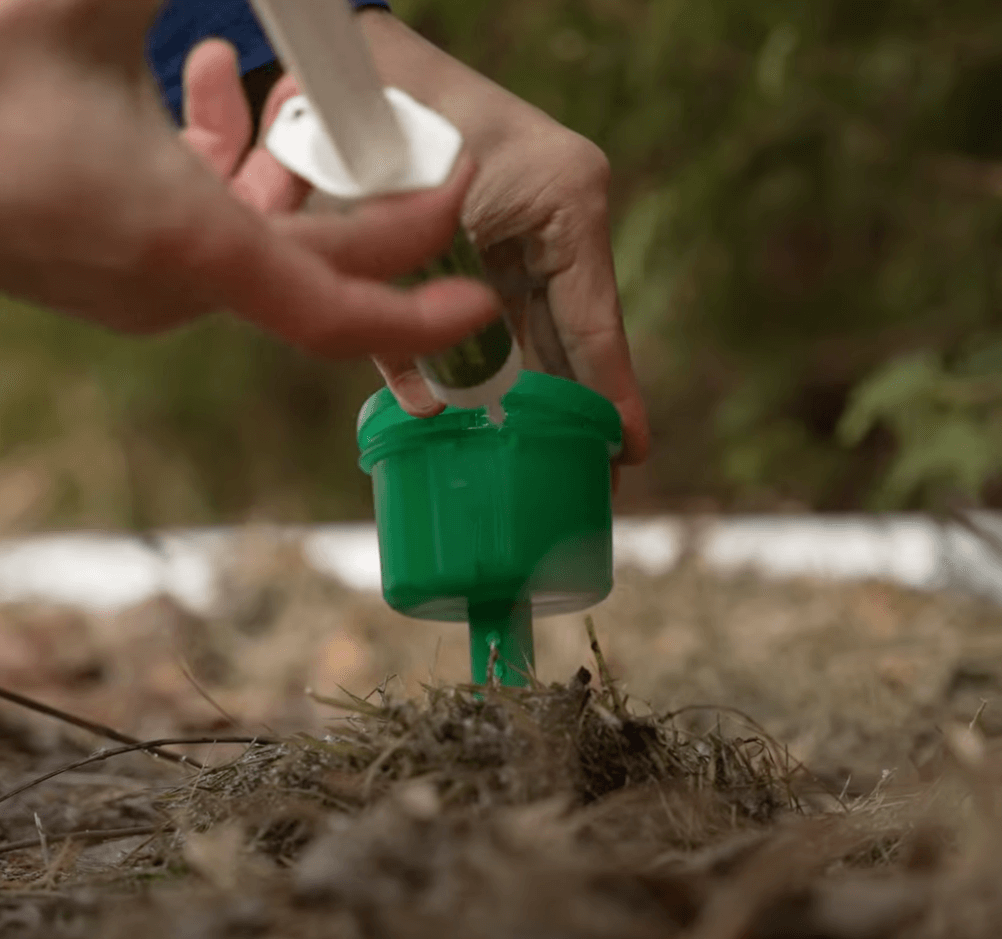
The Greenway ant gel is an excellent choice for precisely targeting ant colonies. This gel contains a poisoned bait that attracts worker ants, which then carry it back to the colony to feed the queen and other members. This process destroys the entire colony at the source, without having to treat each individual ant manually. The treatment is simple: when the queen consumes the bait brought back to the nest, she dies, eliminating the colony from within.
The major advantage of this gel is its long-term effectiveness. A few drops are enough for an infested area, and it continues to work for several weeks. It is also easy to use in hard-to-reach areas, such as cracks, cabinet corners, or behind appliances. It is important to apply the gel where signs of activity have been spotted.
Benefits:
- Easy to apply
- Attacks the entire colony
- Long-lasting effectiveness
- Precise targeting without having to cover large areas
Diatomaceous Earth: A Natural, Non-Toxic Solution
Diatomaceous earth is another effective solution for ants. It is a powder made of fossilized microscopic algae, whose abrasive texture pierces the ants' exoskeletons, gradually dehydrating them until they die. This treatment is ideal for those seeking a natural, non-toxic solution, as diatomaceous earth poses no danger to humans or pets when used correctly.
To use diatomaceous earth, sprinkle it around ant entry points, such as doors and windows, or directly on infested areas. This product effectively controls a wide variety of pests while remaining environmentally friendly.
Benefits:
- Natural and non-toxic
- Effective against different types of insects
- Suitable for indoor and outdoor use
- Safe for humans and pets
Onguard Pro-Perm: A Powerful Protective Barrier
Onguard Pro-Perm, an insecticide we distribute, is specially formulated to provide long-lasting protection against ants and other nuisance insects. This product works by creating a protective barrier around your home or garden. Once applied, it works on contact: when ants come into contact with the treated area, they are eliminated.
This product is ideal for those who want a preventive, proactive solution. It is weather-resistant, making it particularly effective for outdoor applications. Its fast-acting, long-lasting performance also sets it apart from other solutions.
Benefits:
- Long-term protection
- Effective against a wide range of insects
- Ideal for outdoor use
- Weather-resistant formula
Terro Liquid Baits: A Discreet Indoor Solution
Terro liquid baits are perfect for indoor use, where ants are more likely to search for food. Like the Greenway gel, these baits attract worker ants, which consume the poisoned liquid and carry it back to their colony. This process can eradicate the colony in just a few days.
Terro baits are very easy to place in strategic locations such as kitchen counters, pantries, or near windows. They are discreet and require no handling once placed, making them convenient for home use.
Benefits:
- Easy to place and use
- Discreet and safe for children and pets when placed correctly
- Eliminates the entire colony
- Ideal indoor solution
Prevention: How to Avoid a New Ant Infestation
Once the ants have been eliminated, it is essential to take preventive measures to keep them from returning. Here are some practical tips:
- Regular cleaning: Some types of ants are attracted to food, especially sugar. Immediately clean up crumbs, spills, and food scraps so they have no reason to enter your home.
- Remove dead tree stumps and branches from your property, and store firewood at a safe distance from your home (not directly against the side of the house).
- Proper food storage: Keep food in airtight containers, especially items containing sugar or grains. Ants can smell food from a distance, and proper storage can deter them.
Eliminate water sources: Ants also need water to survive. Repair any water leaks and do not allow water to pool around the house.
The dangers and damage caused by different types of ants
Ants, although generally small, can cause various types of damage depending on their species. Here are the most significant impacts of the most common types of ants:
1. Carpenter ants
Carpenter ants are particularly destructive to wooden structures. They dig tunnels in damp or rotting wood to establish their colony, causing significant structural weakening. Even though they do not consume wood like termites, the galleries they create compromise the integrity of the structure, which can require costly repairs. These ants are especially attracted to damp places, such as beams or spaces behind bathrooms and kitchens.
2. Fire ants
Known for their aggressiveness, fire ants (or red ants) represent a health risk. They inject a painful venom when they sting, causing pain and severe allergic reactions in sensitive people, and their stings can be dangerous for children and pets. In addition to posing risks to human health, they can cause damage to agricultural crops and can alter ecosystems by hunting other species.
3. Pharaoh ants
Pharaoh ants represent a major problem in indoor environments, especially in hospitals, homes, residences, and others. Although they are small, they can contaminate medical equipment and spread pathogenic bacteria such as Salmonella and Staphylococcus, which poses high health risks. Their ability to hide in tiny spaces makes their eradication difficult.
4. Pavement ants
Pavement ants, often found around sidewalks and foundations, can invade homes in search of food. They are attracted to fatty and sugary foods and can contaminate food areas when they invade a home in large numbers. Although they are not dangerous in themselves, they can be difficult to control and cause major inconveniences for residents.
5. Odorous house ants
Odorous house ants give off a coconut smell when crushed, but they are mostly annoying due to their numbers. They invade spaces in large numbers and contaminate food, especially when they find sugary sources. Although they do not pose a direct danger to health, their strong presence can make a living space uncomfortable and unsanitary.
Understanding the differences between these species allows you to take the appropriate measures to manage them and limit their impact, whether by using traps, repellents, or by strengthening hygiene and prevention measures.
Best sellers
 Vendor:
Innovative Pest Control
Regular price $12.99 CADRegular priceUnit price per$14.99 CADSale price $12.99 CAD Vendor:
Innovative Pest Products
Regular price Starting at $1.10 CADRegular priceUnit price per Vendor:
Kness
Regular price Starting at $4.99 CADRegular priceUnit price per Vendor:
Onguard Canadian Products
Regular price Starting at $16.99 CADRegular priceUnit price per$19.99 CADSale price Starting at $16.99 CAD


Ant Blog
View all- carpenter ants

Carpenter ants: April is the critical time for intervention
A large black ant crosses the kitchen counter in April. Then another. Then three. It is never a coincidence. Carpenter ants emerge from hibernation at this time. Acting now with professional products prevents dealing with thousands of individuals in August....
- carpenter ants

How to Treat a Spring Ant Invasion in Your Home in Canada
With the return of warmer weather, it's not uncommon to see ants reappear in our homes, businesses, or buildings. In the spring, these insects awaken and go in search of food, often inviting themselves inside our homes. Rather than immediately...
- carpenter ants

How to get rid of ants?
Reading time: 5 minutes Ant Behavior: Understanding These Social Insects Ants, those small creatures living in well-organized societies, can make our lives a little less peaceful. Field or Pavement Ant Field ants, or pavement ants, are distinguished by their brown...
- carpenter ants

Ants: Tips and solutions to eradicate them
Reading time: 3:24 minutes Risks of a carpenter ant infestation: Carpenter ants don't feed on wood, as you might think. Instead, they use the wood to build their nests by digging tunnels inside them. This behavior is similar to that...


Find your solution
Do you have a pest in your home but don't know which solution to use to get rid of it? Simply answer a few questions, and you'll get your solution.